In partnership with

AI Won’t Replace Ranchers. But It Will Change Who Wins.

AI can analyse data.
AI can generate recommendations.
But someone still has to make things happen in the real world.
DIT AgTech combines hardware, AI, nutrition automation and real-time data to turn intelligence into action across livestock operations.
It gives ranchers technology that works alongside them, automating supplementation and helping them produce more with less.
That's Physical AI.
And it's already operating in the real world, across 500+ deployed units and 370,000 head of livestock on the platform.
As AI moves from screens into the physical economy, DIT AgTech is building the infrastructure for it in livestock production.
And the market is massive.
Livestock is still one of the world's least automated major industries. The race to bring Physical AI to it has barely begun.
Be one of the first to see where this is going.
𝘐𝘯 𝘮𝘢𝘬𝘪𝘯𝘨 𝘢𝘯 𝘪𝘯𝘷𝘦𝘴𝘵𝘮𝘦𝘯𝘵 𝘥𝘦𝘤𝘪𝘴𝘪𝘰𝘯, 𝘪𝘯𝘷𝘦𝘴𝘵𝘰𝘳𝘴 𝘮𝘶𝘴𝘵 𝘳𝘦𝘭𝘺 𝘰𝘯 𝘵𝘩𝘦𝘪𝘳 𝘰𝘸𝘯 𝘦𝘹𝘢𝘮𝘪𝘯𝘢𝘵𝘪𝘰𝘯 𝘰𝘧 𝘵𝘩𝘦 𝘪𝘴𝘴𝘶𝘦𝘳 𝘢𝘯𝘥 𝘵𝘩𝘦 𝘵𝘦𝘳𝘮𝘴 𝘰𝘧 𝘵𝘩𝘦 𝘰𝘧𝘧𝘦𝘳𝘪𝘯𝘨, 𝘪𝘯𝘤𝘭𝘶𝘥𝘪𝘯𝘨 𝘵𝘩𝘦 𝘮𝘦𝘳𝘪𝘵𝘴 𝘢𝘯𝘥 𝘳𝘪𝘴𝘬𝘴 𝘪𝘯𝘷𝘰𝘭𝘷𝘦𝘥. 𝘋𝘐𝘛 𝘈𝘨𝘛𝘦𝘤𝘩 𝘩𝘢𝘴 𝘧𝘪𝘭𝘦𝘥 𝘢 𝘍𝘰𝘳𝘮 𝘊 𝘸𝘪𝘵𝘩 𝘵𝘩𝘦 𝘚𝘦𝘤𝘶𝘳𝘪𝘵𝘪𝘦𝘴 𝘢𝘯𝘥 𝘌𝘹𝘤𝘩𝘢𝘯𝘨𝘦 𝘊𝘰𝘮𝘮𝘪𝘴𝘴𝘪𝘰𝘯 𝘪𝘯 𝘤𝘰𝘯𝘯𝘦𝘤𝘵𝘪𝘰𝘯 𝘸𝘪𝘵𝘩 𝘪𝘵𝘴 𝘰𝘧𝘧𝘦𝘳𝘪𝘯𝘨, 𝘢 𝘤𝘰𝘱𝘺 𝘰𝘧 𝘸𝘩𝘪𝘤𝘩 𝘮𝘢𝘺 𝘣𝘦 𝘰𝘣𝘵𝘢𝘪𝘯𝘦𝘥 𝘩𝘦𝘳𝘦: https://bit.ly/4bzuWCi

From Taproom to Nasdaq: How 2,400 Beer Drinkers Became Shareholders and Got 8x BackA craft beverage brand raised from its own community through Reg CF and Reg A+, IPO’d on Nasdaq, and handed retail investors the kind of return most hedge funds would kill for. By Jose Ruiz, Space Funding | Sunday, November 2, 2026 |
Hey — hope your Halloween was 🎃 Writing this from New York City, watching the marathon runners push through the final miles down in Manhattan. The energy out here is electric — 50,000 people giving everything they have, cheered on by strangers who just showed up. Honestly? It feels like a perfect metaphor for what I want to talk about today. I have been going deep on capital formation patterns this week and I found a story I could not stop thinking about. A craft beverage brand. No VC money. No institutional backing. Just 2,400 people who loved the product enough to invest $100, $250, $500 — and a founder who decided that community was not a marketing strategy, it was his capital stack. Four years later, those same people watched the company ring the Nasdaq opening bell. And the ones who invested first walked away with 8.2x their money. In today’s breakdown:
|
STAGE 1 — REG CF ON WEFUNDER |
REG CF How a Craft Beverage Brand Raised $1.07M from 2,400 Customers on Wefunder |

The taproom that became a launchpad -- community investors celebrating a $1.07M Reg CF raise
The Rundown: The year was 2019. The brand had $3.2M in annual revenue, three taproom locations in the Pacific Northwest, and grocery distribution across 14 states. VCs were not interested — so the founder offered equity to his own customers through a Reg CF campaign on Wefunder. It hit the target in 11 days. The details:
Why it matters: Those 2,400 shareholders did not just give money — they became a sales force. Every investor who posted on social, brought a friend, or told a coworker they owned a piece of the brand generated distribution the company never paid for. Platforms like Republic, StartEngine, and Dealmaker can host your raise. None of them can replace the audience you build yourself. |
STAGE 2 — REG A+ TIER 2 |
REG A+ How the Brand Scaled to $15.2M Without Taking a Single Dollar of VC Money |

$0.58 at Reg CF -- $1.65 at Reg A+ -- $4.75 at IPO. Every stage rewarded early believers.
The Rundown: Two years after the Wefunder close, revenue had grown to $8.1M. At this stage, the conventional path is a Series A. This brand filed a Regulation A+ Tier 2 offering instead — and 41% of the original 2,400 investors came back to reinvest at nearly 3x their entry price. The details:
Why it matters: A 41% reinvestment rate from your Reg CF base does not happen by accident. It is the compound return on two years of investor communication that treated shareholders like human beings. Monthly founder letters. Quarterly video calls. Early product access. When the Reg A+ launched, those original 2,400 investors were already sold, and many brought new investors with them. That is the network effect most founders leave on the table. |
STAGE 3 — NASDAQ IPO |
NASDAQ IPO What 6,500 Community Shareholders Meant on the Day They Rang the Nasdaq Bell |

6,500 community shareholders before the IPO -- a distribution network no ad budget could buy
The Rundown: Eighteen months after the Reg A+ closed, the company filed an S-1 with the SEC. Nasdaq listing. $4.75 per share. Institutional underwriters found something they almost never see in a consumer brand S-1: a documented, engaged, loyal shareholder base of 6,500 people who had been invested and active for years. The details:
Why it matters: The S-1 opened with the community story as a competitive advantage. Institutional underwriters read 6,500 loyal shareholders as a built-in distribution moat. The company did not just raise from the crowd — they used the crowd to tell a better story to Wall Street. That is the hidden leverage of community capital that most founders miss. |

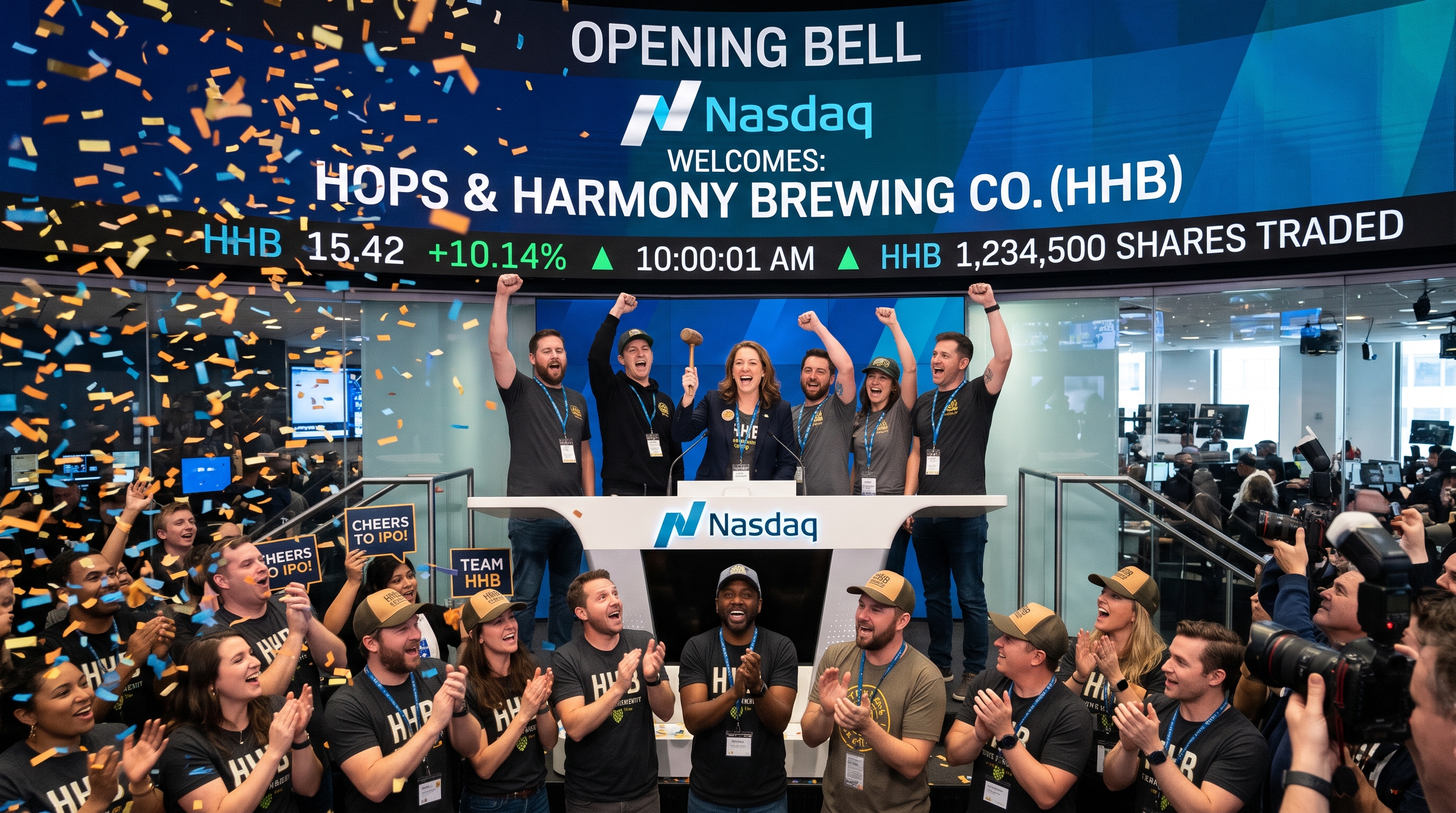
IPO day on Nasdaq -- the moment 6,500 community investors became public market shareholders
THE PLAYBOOK |
FOUNDER FRAMEWORK 5 Things This Brand Did That Most Founders Skip1. Raise from people who already love the product. The first $400K of the Wefunder campaign came from existing customers. That social proof unlocked the remaining $674K from new investors who saw real people putting real money in. Starting with strangers is starting cold. Starting with your community is starting with momentum. 2. Treat every investor update like a marketing campaign. Every quarterly letter was written to be forwarded. Every investor who shared an update on social was unpaid distribution. The marketing department and investor relations were the same function. 3. Do not abandon non-accredited investors when bigger money arrives. Choosing Reg A+ over a Series A kept the original 2,400 investors inside the story at every stage. That is the reason 41% of them reinvested. Series A cap tables do not produce that loyalty. 4. Build the IPO story around your community before you file. The S-1 narrative led with 6,500 community shareholders as a competitive moat. Underwriters who normally tune out consumer brand stories paid attention because the community proof was documented and trackable. 5. Own your investor audience. Never rent it. 60% of the Reg CF raise came from their own email list — not Wefunder discovery traffic. The Reg A+ ran off the same list, grown over two more years. Platforms like Republic, StartEngine, and Dealmaker are infrastructure. The audience is yours or it is theirs. |
FREQUENTLY ASKED QUESTIONS |
What Is the Difference Between Reg CF and Reg A+ for a Community Capital Raise?Reg CF lets you raise up to $5M per year from non-accredited investors through a FINRA-registered intermediary like Wefunder, Republic, or StartEngine — with a simpler disclosure process. Reg A+ Tier 2 lets you raise up to $75M per year directly from the public with more rigorous SEC review but lighter ongoing reporting than a full public company. The smart sequencing: Reg CF first to prove demand, then Reg A+ to scale. Can Non-Accredited Investors Participate in Reg CF and Reg A+ Rounds?Yes — both exemptions are specifically designed to include non-accredited investors. Under Reg CF, non-accredited investors can invest up to a limit tied to their income and net worth. Under Reg A+ Tier 2, there is no accreditation gate at all — any US investor can participate up to 10% of their income or net worth per offering. How Long Does It Take to Go from Reg CF to IPO?This brand took four years: Reg CF in 2019, Reg A+ in 2021, Nasdaq IPO in 2023. The timeline is driven by revenue growth, SEC filing readiness, and underwriter appetite. The community capital track record was a positive signal for underwriters because it documented retail investor demand at scale before the institutional roadshow began. What Happened to Community Investors After the IPO Lock-Up Expired?After the standard 180-day lock-up, community shareholders were free to sell on the open market. 54% of original Reg CF investors held shares for more than 12 months post-IPO. The 67% who held on IPO day itself stands out — the standard for retail IPO participants is closer to 30% holding past 48 hours. Is Wefunder Better Than Republic or StartEngine for a Consumer Brand Raise?The platform is not the differentiator — your audience is. This brand raised 60% of its Reg CF from its own email list before a single dollar came through Wefunder’s discovery engine. Wefunder, Republic, StartEngine, and Dealmaker are all viable infrastructure. The question is what audience you bring to the platform, not which platform you pick. |
Ready to Build Your Own Community Capital Stack?The brands that go from Reg CF to Reg A+ to IPO are not the ones with the best product. They are the ones who built their investor audience before they launched — and owned that relationship at every stage of the journey. Space Funding has helped 350+ companies raise capital through a system built around owned investor acquisition, education-driven conversion, and community retention. $210M raised. 350+ campaigns. See How Space Funding Works |
Space Funding helps founders raise through Reg CF, Reg A+, and Reg D using owned investor acquisition -- not marketplace dependency. Visit spacefunding.us to learn more.
You are receiving this because you subscribed to the Space Funding Sunday newsletter. Enjoy the rest of your weekend — and I’ll be back in your inbox on Wednesday. Take care out there. 🙌